Card Games: A Timeless Tradition
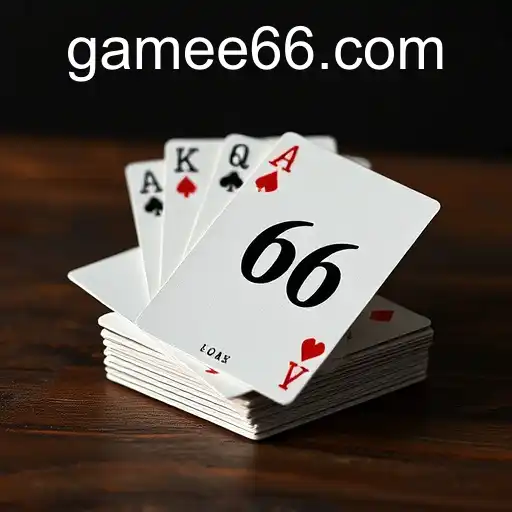
Card games have been an integral part of human culture for centuries, captivating people across the globe. Over the years, these games have evolved, transcending boundaries and adapting to modern times. One intriguing aspect of this evolution is the keyword 'e66', a nod to innovation and tradition intersecting in unexpected ways.
The Historical Journey of Card Games
bet251The origins of card games can be traced back to ancient China, where paper cards were used for both gaming and fortune-telling. As these games traveled West, they found their way into the hearts of Europeans, eventually leading to the standard decks we are familiar with today. The introduction of suits, face cards, and the arrangement of number cards set the stage for the diverse array of card games we enjoy now.
'e66': A Modern Twist
The keyword 'e66' brings to mind a transformation in the way we perceive card games. While its specific definition may vary, 'e66' symbolizes the modern adaptations and digital transformations of traditional games. The integration of technology into card games has opened new avenues for engagement, allowing players to experience classic games through digital platforms, apps, and online multiplayer settings.
The Digital Revolution
With the advent of the internet, playing card games has become more accessible than ever before. Online platforms offer a plethora of card games, allowing enthusiasts to connect with players worldwide. This digital shift has not only revitalized interest in card games but has also introduced elements like interactive tutorials, achievements, and leaderboards, enhancing the gaming experience.888vip
Card Games in Pop Culture
bkbetCard games have also found their place in popular culture, with many variants becoming household names. Games like Poker, Blackjack, and Bridge have been romanticized in movies and literature, often depicted as strategic and mind-challenging pursuits.
The Appeal of Card Games
What makes card games enduring is their inherent versatility. They can be as simple or complex as desired, catering to a wide range of audiences. For children, games like Go Fish and Crazy Eights provide hours of fun, while adults may prefer the strategic depth of games like Poker or Hearts. Card games also bridge gaps between generations, often serving as a shared activity during family gatherings or social events.
Innovation and Tradition: Coexisting Harmoniously
The keyword 'e66' reminds us that tradition and innovation can coexist harmoniously. Modern card games have found ways to incorporate technology without losing the essence of what makes them special. Augmented reality and virtual card games are examples of how traditional gameplay can be enhanced with digital elements.
999betAugmented Reality: A New Layer
Augmented reality (AR) has introduced new dimensions to card games. By overlaying digital information onto the physical world, AR can transform a simple deck of cards into an interactive gaming experience. This technology not only adds visual excitement but also allows for interactive storytelling within the game.
Community and Competition
Card games foster a sense of community, bringing people together in a shared pursuit of fun and challenge. Whether gathered around a table or connected through an online platform, players bond over strategy, skill, and sometimes even luck. Competitive card gaming has also emerged as a significant aspect of the gaming culture, with tournaments and competitions drawing participants from all walks of life.
The Competitive Edge
Games like Magic: The Gathering and Hearthstone have collegiate and professional scenes where players compete for prestige and prizes. These competitions are a testament to the strategic depth and skill involved in playing card games, showing how a simple deck can become a tool for global competition and personal achievement.
The Future of Card Games
As technology continues to evolve, so too will card games. The integration of artificial intelligence, machine learning, and even blockchain technology could revolutionize the way we play. One possibility is the creation of customizable card games where AI-driven opponents adapt to a player's skill level. Another is the use of blockchain for verifying deck authenticity or rarity in collectible card games.
Conclusion
The world of card games is vast and varied, filled with endless opportunities for fun, learning, and competition. 'e66' represents the bridge between tradition and innovation, showcasing how card games can thrive in the modern era while still holding onto the charm of the past. Whether you're a casual player or a competitive enthusiast, the realm of card games continues to offer something for everyone.Betnacional